April 25, 2024
ARTICLES, Energy Market, Featured, important
Beset by an unprecedented domestic energy crisis, Iran has sought to cement foreign energy deals and investment, to varied success. Though the country faces a raft of international sanctions and several major geopolitical hurdles, Iran’s oil and gas sector has seen a significant expansion in recent months—a period of growth marked by …
Read More »
February 19, 2024
ARTICLES, Energy Market, important
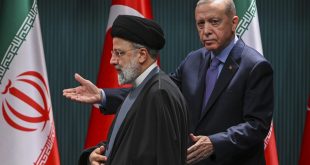
Turkey and Iran have expressed a clear interest in improving their bilateral economic relations, but remain divided over a range of geopolitical and security issues, to which answers remain elusive. EmailPrintFriendlyPaylaş Iranian President Ebrahim Raisi, left, and Turkish President Recep Tayyip Erdogan leave after a joint news conference following their …
Read More »
February 19, 2024
ARTICLES, Featured, important
The Gaza-Israel conflict has significant implications for Iran’s already strained economy, characterized by currency devaluation, reduced government revenues, and high inflation. Iran’s involvement in the regional conflict hinders its economic growth efforts, further reduces the value of the Iranian rial, and decreases government income. Additionally, it has worsened economic problems such as …
Read More »
January 25, 2024
Energy Market
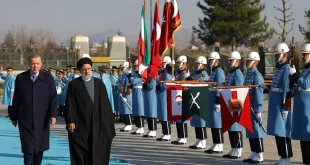
Iranian President Ebrahim Raisi’s visit to Turkey this week came against the backdrop of the Gaza war, ongoing regional crisis and conflicts in bilateral relations. The visit on Wednesday and the issues discussed reflected the intricate dynamics between Iran and Turkey. The visit resulted in ten agreements, emphasizing collaboration in …
Read More »
January 23, 2024
ARTICLES, Energy Market, Featured, important
Iran currently lacks a substantial presence in the burgeoning hydrogen industry, despite its abundance of natural gas and renewable energy potential. Utilizing renewable energy sources such as solar or wind power, “green hydrogen“ is produced by electrolysis, which produces hydrogen without any emissions. This contrasts with traditional techniques that release carbon dioxide. Experts anticipate …
Read More »
January 10, 2024
ARTICLES, Energy Market, important
Iran’s already significant winter gas shortage has been exacerbated by Turkmenistan’s decision to halt gas deliveries to Iran, including gas swaps with Azerbaijan this year. This has created a challenging situation for Iran, which is struggling with a severe gas shortage during the winter months. The breakdown of these gas-related …
Read More »
January 9, 2024
ARTICLES, important
Kazakhstan has evolved from a stable investment partner to a strategic ally for Türkiye, providing a crucial link in Central Asia, with diplomatic harmony fostering ongoing cooperation It is widely acknowledged that Türkiye and Azerbaijan are often described, using the words of former Azerbaijani President Heydar Aliyev, as “one nation …
Read More »
May 15, 2023
ARTICLES, important
On May 11, Turkish opposition candidate Muharren Ince announced that he was dropping out of the upcoming presidential elections, allegedly due to, in his words, a “smear campaign” that is “the work of the Gülenist Terror Group” (Daily Sabah, May 11). As one of four opposition candidates running against Turkish …
Read More »
October 2, 2022
ARTICLES, Featured, important
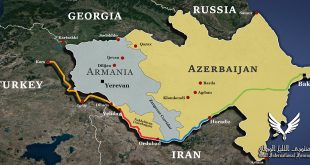
There is a concern in Iran that Azerbaijan intends for the project to block Iran’s border with Armenia as the proposed route of the Zanzegur Corridor project runs along the full length of the border. The Second Nagorno-Karabakh War, fought from September to November 2020, ended with a significant victory for …
Read More »
June 9, 2022
Energy Market, Featured, important, INTERVIEWS
NESREEN BAKHEIT and RURIKA IMAHASHI, Nikkei staff writers June 9, 2022 15:05 JST DUBAI/TOKYO — China and India are continuing to increase imports of Russian oil in a dramatic reshaping of global trade in energy, according to the latest industry data. But the ability of Asia to absorb more production …
Read More »