7 days ago
ARTICLES, Energy Market, important
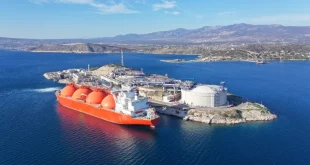
The Strait of Hormuz Carries Roughly 20 Percent of Global Liquefied Natural Gas Trade and a Similar Share of Seaborne Oil The escalating conflict between the United States, Israel, and Iran has triggered one of the most significant disruptions to global energy markets in recent years. After U.S. and Israeli …
Read More »
1 week ago
ARTICLES, Energy Market, important
Even Limited Damage Can Force Shutdowns, Suspend Exports, and Trigger Panic Across Energy Markets The Gulf Cooperation Council states—Bahrain, Kuwait, Oman, Qatar, Saudi Arabia, and the United Arab Emirates—long have sustained global energy stability. As the conflict with Iran expands, it directly threatens Persian Gulf oil and gas infrastructure and …
Read More »
1 week ago
Energy Market, important, INTERVIEWS
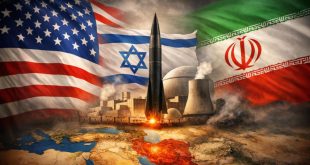
In late February 2026, the United States and Israel launched a major military campaign against Iran in response to what both governments described as pending security threats, including concerns related to Tehran’s nuclear program and missile capabilities. The operation involved a series of coordinated airstrikes targeting Iranian military and strategic …
Read More »
2 weeks ago
ARTICLES, Energy Market, important
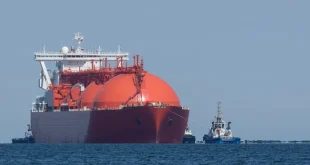
Doha Converted Gas Revenue Into Global Influence and Marketed Itself as the Supplier That Delivers Even During Turbulence Qatar reads Iran-U.S. tensions through the blunt logic of self-preservation. Doha worries less about “regional instability” than about losing the conditions that let it build an liquefied natural gas empire with limited regional contestation. …
Read More »
February 10, 2026
ARTICLES, Energy Market, important
Importers Benefit, but Transparency Suffers, and Price Gaps Widen with the Spread of Cheap Sanctioned Oil China’s independent refiners, known as “teapots,” increasingly are replacing Venezuelan crude with Iranian oil. This shift shows how sanctions pressure, commercial reality, and geopolitics now shape global oil flows more than formal rules. As U.S. enforcement …
Read More »
February 3, 2026
ARTICLES, Energy Market, Featured, important
The Gap Between Potential and Performance Does Not Stem from Sanctions Alone Iran sits atop one of the world’s largest proven natural gas reserves, estimated at roughly 1,200 trillion cubic feet, second only to Russia. On paper, this should make Iran a major energy exporter and a consequential player in regional gas …
Read More »
January 28, 2026
ARTICLES, Energy Market, Featured, important, Media
Iran’s Sanctions-Evasion Infrastructure Has Become Systematic Rather than Improvised In early February 2025, President Donald Trump issued National Security Presidential Memorandum 2 (NSPM-2), formally reinstating his “maximum pressure” campaign against Iran. The directive sought to deny Tehran any path to nuclear weapons, constrain its ballistic missile program, and dismantle support for regional proxies by …
Read More »
December 25, 2025
ARTICLES, Energy Market, Featured, important
Across the Region, Electricity Demand Surged with Extreme Heat, Population Growth, Desalination Needs, and Industrial Expansion In 2025, the Middle East’s energy sector held firm amid cooling global markets, geopolitical friction, and an uneven global energy transition. The region continued to underpin global supply, producing roughly 30 percent of global oil and …
Read More »
December 25, 2025
ARTICLES, Energy Market, Featured, important
With Energy Diplomacy, Ankara Strengthens a Partnership That Stretches Across Military, Cultural, and Now Economic Dimensions On December 2, 2025, Turkey signed hydrocarbon exploration agreements through its state-owned Turkish Petroleum Corporation (TPAO) with six Pakistani energy firms. The announcement came with almost no political theater, but the implications run deeper …
Read More »
July 14, 2025
ARTICLES, Energy Market, Featured, important
When Iranian President Masoud Pezeshkian and Russian President Vladimir Putin signed the Treaty on Comprehensive Strategic Partnership in Moscow on 17 January 2025, it marked a significant turning point in the expanding partnership between Iran and Russia. Broad collaboration in vital areas like defense, counterterrorism, energy, finance, technology, cybersecurity, peaceful …
Read More »