July 10, 2026
ARTICLES, important, Media
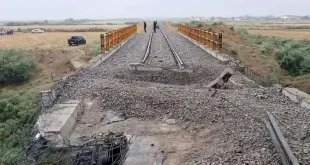
A reported US strike on a railway bridge in northern Iran has drawn attention to a lesser-known front in the widening conflict: the battle over the transport corridors linking Iran to Central Asia, Russia and China. Iranian state media and the IRGC said cruise missiles attributed to US forces struck …
Read More »
June 29, 2026
ARTICLES, Energy Market, important
China’s rapid robotization drive is reshaping its energy sector, from solar panel manufacturing and wind turbine assembly to oil and gas operations and power grid management. As the world’s largest installer and producer of industrial robots, China installed roughly 295,000 new units in 2024, more than the rest of the world combined, …
Read More »
June 26, 2026
ARTICLES, Energy Market, Featured, important
The United States’ new Iran sanctions waiver could do more than boost Iranian oil exports. It may also help shift Iranian energy trade from shadow networks back toward conventional global markets. On June 22, 2026, the U.S. Department of the Treasury’s Office of Foreign Assets Control (OFAC) issued General License …
Read More »
June 24, 2026
ARTICLES, Energy Market, important
Global energy security depends not only on whether ships can pass through Hormuz, but whether they can do so freely, predictably, and without paying tribute disguised as environmental stewardship The Strait of Hormuz is one of the world’s most important energy chokepoints, with about 20 million barrels of oil passing …
Read More »
June 23, 2026
ARTICLES, Energy Market, Featured, important, Media, Services
The Company Carries Influence Since It Would Bring a U.S. Major Into a Sector That Washington Has Viewed as Off-Limits ConocoPhillips’s reported plan to sign a contract with Syria’s transitional government would be a significant step in Syria’s return to international energy markets. If finalized, this deal would make ConocoPhillips the …
Read More »
June 11, 2026
ARTICLES, Energy Market, Featured, important, Media
The escalation involving the United States, Israel, and Iran has renewed attention on the energy-security vulnerabilities of the Gulf Cooperation Council (GCC) states: Bahrain, Kuwait, Oman, Qatar, Saudi Arabia, and the United Arab Emirates. The conflict has affected maritime confidence around the Strait of Hormuz, one of the world’s most …
Read More »
June 10, 2026
Energy Market, important, INTERVIEWS
E85 fuel was launched across 48 outlets last week. Experts warn of challenges, from low availability of flex-fuel vehicles & fuel outlets, to fuel economics & feedstock sustainability.New Delhi: The launch of E85 fuel by Petroleum Minister Hardeep Singh Puri last week marks the Centre’s most ambitious push yet towards …
Read More »
June 8, 2026
ARTICLES, important
The trajectory of India’s Arctic engagement will depend on its ability to scale its efforts without losing coherence. Investments in research infrastructure, greater involvement from the private sector, and deeper partnerships with Arctic states will be critical India’s growing engagement in the Arctic reflects a deliberate expansion of its strategic …
Read More »
June 1, 2026
Energy Market, important, INTERVIEWS
As negotiations between the United States and Iran edge toward a possible agreement, Tehran is increasingly signaling that any return to war would look very different from the last. US officials said Thursday that a tentative agreement had been reached in talks between Tehran and Washington and was awaiting President Donald …
Read More »
May 31, 2026
ARTICLES, Energy Market, important
No serious policymaker should want an open-ended confrontation in the Strait of Hormuz, but a deal that rewards Iran for closing or restricting the strait would create a long-term problem in exchange for short-term calm The Strait of Hormuz remains one of the world’s most important maritime chokepoints. In normal …
Read More »

![The main road is decorated with five-star red flags in Chongqing, China, September 23, 2023 [Costfoto/NurPhoto via Getty Images]](https://uskenergy.com/wp-content/uploads/2026/06/China-310x165.webp)