September 17, 2026
Energy Market, INTERVIEWS
India has relatively limited direct exposure to the Yanbu route. Saudi supplies averaged about 315,000 barrels a day in August, compared with total Indian crude imports of around 4.7 million barrels a day. Indian Refiners Face 40% Crude Cost Surge As Middle East War Disrupts Flows India has relatively limited …
Read More »
September 5, 2026
ARTICLES, Energy Market, important
President Donald Trump’s endorsement of Syria as a possible alternative to the Strait of Hormuz has pushed an old energy-security problem back to the center of Middle Eastern strategy. On September 3, Trump reacted positively to a Washington Post report describing Syria’s effort to market itself as an overland corridor from …
Read More »
August 25, 2026
important, INTERVIEWS, Media
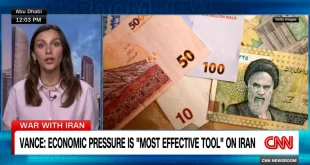
Iran, already drained by years of sanctions and a brutal military onslaught from the United States and Israel, now faces another test as President Donald Trump moves to further tighten the economic screws on the Islamic Republic. The US Treasury Department on Monday threatened sweeping new sanctions on countries that refuse to cut economic ties …
Read More »
July 21, 2026
ARTICLES, Energy Market, important
The recent disruption in the Middle East, including the closure and uneven reopening of the Strait of Hormuz, has exposed a shift in the global energy system’s principal vulnerability. Initial concern focused on whether enough crude oil could reach the market. Yet crude flows have recovered faster than supplies of …
Read More »
July 16, 2026
ARTICLES, Energy Market, important
The concept of “corridor wars” describes intensifying competition among major powers over critical trade, energy, and transit routes in an era of weaponized interdependence. Unlike traditional territorial conflicts, these struggles center on controlling, securing, bypassing, or disrupting chokepoints: narrow maritime passages and overland links through which global commerce flows. Key arenas include …
Read More »
June 29, 2026
ARTICLES, Energy Market, Featured, important, Services
Tehran Cannot Legally Redefine Freedom of Navigation Through International WatersIran proposes collecting tolls or fees from ships passing through the Strait of Hormuz to generate up to $40 billion annually. According to discussions among Iran, Oman, and other regional players, Tehran has suggested charging for “security, safety, and environmental services.” The Iranian …
Read More »
June 24, 2026
important, INTERVIEWS, Media
Energy experts estimate output to rebound within weeks, but it may take months to rebuild shipping confidence and repair damaged energy assets.New Delhi: The interim US-Iran agreement has paved the way for the reopening of the Strait of Hormuz, but energy market experts caution that oil production and exports from major …
Read More »
June 24, 2026
ARTICLES, Energy Market, important
Global energy security depends not only on whether ships can pass through Hormuz, but whether they can do so freely, predictably, and without paying tribute disguised as environmental stewardship The Strait of Hormuz is one of the world’s most important energy chokepoints, with about 20 million barrels of oil passing …
Read More »
June 23, 2026
ARTICLES, Energy Market, important, Media
A Revived Line Would Connect Turkish Industry to Arab Markets, Boost North-South Trade, and Complement Other Projects Turkey is working to modernize and extend the historic Hejaz Railway as it seeks to transform this neglected Ottoman-era line into a tool for infrastructure diplomacy. Built in the early 20th century to …
Read More »
May 31, 2026
ARTICLES, Energy Market, important
No serious policymaker should want an open-ended confrontation in the Strait of Hormuz, but a deal that rewards Iran for closing or restricting the strait would create a long-term problem in exchange for short-term calm The Strait of Hormuz remains one of the world’s most important maritime chokepoints. In normal …
Read More »