Monday , April 20 2026
  • My New Book

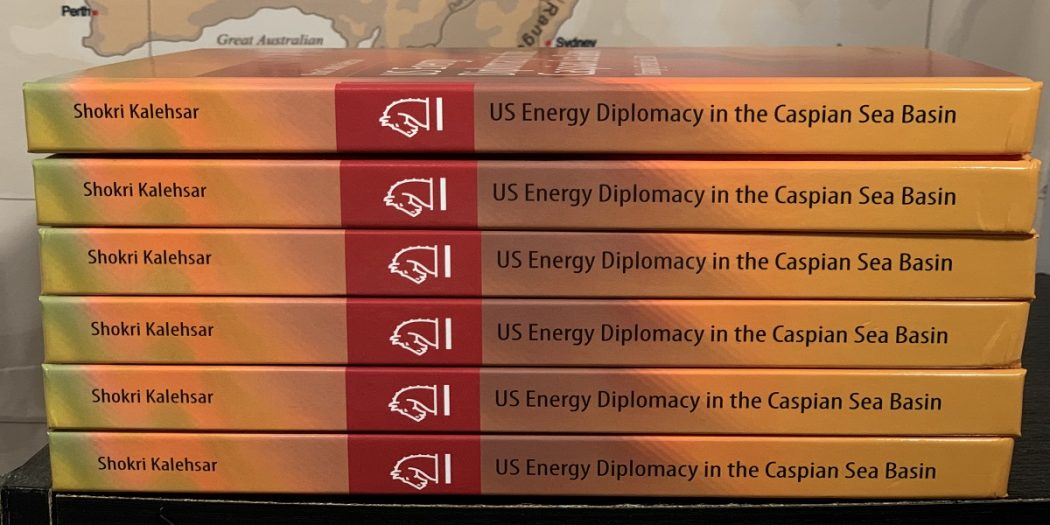
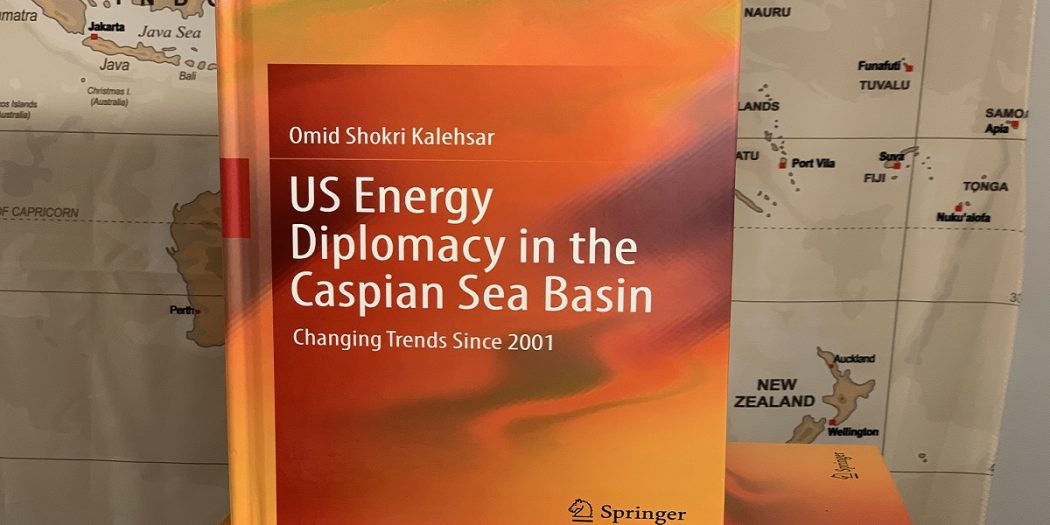
    US Energy Diplomacy in the Caspian Sea Basin: Changing Trends Since2001 - Available on Springer

  • My New Book

    US Energy Diplomacy in the Caspian Sea Basin: Changing Trends Since2001 - Available on Amazon

Recent Articles

Why Tehran’s business pitch to Trump won’t end nuclear deadlock

A worker stands on a platform at the Fajr-e Jam gas refinery in Iran's southern province of Bushehr, February 2026

Reports in major outlets that Tehran has floated a “commercial bonanza” to the Trump administration should be understood less as an investment roadmap than as a survival strategy. As Donald Trump’s 10-to-15-day deadline for a “meaningful” deal with Iran enters its decisive phase, Iranian officials appear to be reframing diplomacy …

Read More »

Venezuela’s Return to Oil Markets Enhances Israel’s Energy Security

Oil drums are marked with the flag of Venezuela.Shutterstock

Changes in One Producer’s Political and Economic Conditions Can Ripple Across Global Energy Markets On February 10, 2026, Bloomberg reported that traders shipped Venezuelan crude oil to Israel’s Bazan Group, the country’s largest refinery operator in Haifa. The cargo marks the first Venezuelan delivery to Israel since mid-2020, when Israel imported approximately …

Read More »

Gunboat diplomacy: US seeks coercion without war on Iran

US President Donald Trump walks from Marine One to the White House in Washington, D.C., US, January 20, 2026.

President Donald Trump’s response to Iran’s recent unrest appears to reflect a strategy of gunboat diplomacy: the use of military pressure, rhetorical escalation, and economic coercion to extract concessions without committing to war or formal regime change. Iran’s currency plunge in late December 2025 sparked nationwide protests that quickly escalated …

Read More »

Iran’s Gas Wealth and the Limits of Export Capacity

A natural gas drilling rig with the flag of Iran in the background.Shutterstock

The Gap Between Potential and Performance Does Not Stem from Sanctions Alone Iran sits atop one of the world’s largest proven natural gas reserves, estimated at roughly 1,200 trillion cubic feet, second only to Russia. On paper, this should make Iran a major energy exporter and a consequential player in regional gas …

Read More »

Why ‘Maximum Pressure’ Hasn’t Crippled Iran’s Oil Sector

Despite aggressive sanctions expansion since 2018, Iran’s crude production has stabilized in 2026.Shutterstock

Iran’s Sanctions-Evasion Infrastructure Has Become Systematic Rather than Improvised In early February 2025, President Donald Trump issued National Security Presidential Memorandum 2 (NSPM-2), formally reinstating his “maximum pressure” campaign against Iran. The directive sought to deny Tehran any path to nuclear weapons, constrain its ballistic missile program, and dismantle support for regional proxies by …

Read More »

Why Iran’s Oil Workers Have Not Struck

A Fragmented Labor Force, Strict Security, and Other Factors Constrain Workers from Mobilizing, Not Apathy or Ignorance Iran’s latest wave of unrest has revived the expectation that sustained protests eventually will reach the oil sector and choke off the regime’s primary revenue stream. That escalation has not occurred. The absence …

Read More »

How Iran Augmented Its Internet Shutdown Strategy in 2026

Unlike in the Past, This Time the Regime Did Not Sever Access but Instead Degraded Internet Function The Islamic Republic of Iran’s internet blackout against the backdrop of the January 2026 protests is fundamentally different from the shutdowns Tehran imposed during earlier rounds of protests in 2019 or 2022. Unlike in the …

Read More »

Syria’s Energy Sector Faces Structural, Not Symbolic, Barriers

Syria Holds an Estimated 2.5 Billion Barrels of Oil and 8.5 Trillion Cubic Feet of Gas but Reserves Do Not Guarantee Recovery Syria’s oil and gas sector once anchored state revenues and energy security. Before 2011, the country produced roughly 380,000 barrels per day of oil and about 25 million …

Read More »