March 3, 2026
ARTICLES, Energy Market, Featured, important
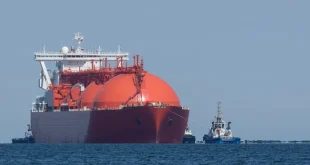
A soft closure of the Strait of Hormuz can inflict much of the same damage as a declared blockade The February 28 US-Israeli strikes on Iran have turned a regional military confrontation into a global market shock. The conflict has begun to reprice energy, shipping, insurance, aviation, and financial risk. For global …
Read More »
March 2, 2026
ARTICLES, Featured, important
The Regime May Still Hold the Center, but Holding the Center Is Not the Same as Maintaining State Capacity The February 28, 2026, U.S. and Israeli air strikes have not yet ended the Islamic Republic, but they have weakened the Iranian state’s ability to govern. State failure does not begin …
Read More »
February 28, 2026
ARTICLES, Energy Market, important
Doha Converted Gas Revenue Into Global Influence and Marketed Itself as the Supplier That Delivers Even During Turbulence Qatar reads Iran-U.S. tensions through the blunt logic of self-preservation. Doha worries less about “regional instability” than about losing the conditions that let it build an liquefied natural gas empire with limited regional contestation. …
Read More »
February 17, 2026
ARTICLES, Energy Market, important
Changes in One Producer’s Political and Economic Conditions Can Ripple Across Global Energy Markets On February 10, 2026, Bloomberg reported that traders shipped Venezuelan crude oil to Israel’s Bazan Group, the country’s largest refinery operator in Haifa. The cargo marks the first Venezuelan delivery to Israel since mid-2020, when Israel imported approximately …
Read More »
July 14, 2025
ARTICLES, Energy Market, Featured, important
When Iranian President Masoud Pezeshkian and Russian President Vladimir Putin signed the Treaty on Comprehensive Strategic Partnership in Moscow on 17 January 2025, it marked a significant turning point in the expanding partnership between Iran and Russia. Broad collaboration in vital areas like defense, counterterrorism, energy, finance, technology, cybersecurity, peaceful …
Read More »
June 23, 2025
ARTICLES, important
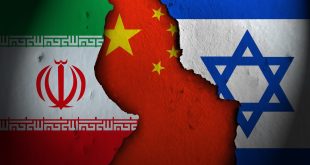
Introduction China’s evolving position on the Iran-Israel conflict reflects a pragmatic adjustment to align with its broader geopolitical and economic goals, particularly in light of Iran’s June 2025 parliamentary move to potentially close the Strait of Hormuz. Initially, Beijing backed Iran’s sovereignty, endorsing Tehran’s “self-defense” claims against Israeli strikes.[1] By …
Read More »
April 28, 2025
Featured, important, Media
Iran's president Masoud Pezeshkian and Azerbaijan's president Ilham Aliyev in a bilateral trade forum, Baku, April 28, 2025
Read More »
February 19, 2024
ARTICLES, Featured, important
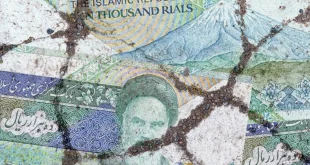
The Gaza-Israel conflict has significant implications for Iran’s already strained economy, characterized by currency devaluation, reduced government revenues, and high inflation. Iran’s involvement in the regional conflict hinders its economic growth efforts, further reduces the value of the Iranian rial, and decreases government income. Additionally, it has worsened economic problems such as …
Read More »
January 25, 2024
Energy Market
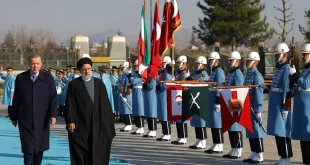
Iranian President Ebrahim Raisi’s visit to Turkey this week came against the backdrop of the Gaza war, ongoing regional crisis and conflicts in bilateral relations. The visit on Wednesday and the issues discussed reflected the intricate dynamics between Iran and Turkey. The visit resulted in ten agreements, emphasizing collaboration in …
Read More »
November 9, 2023
Energy Market
The Gaza war has exerted significant pressure not only on the geopolitical equilibrium but have also sent ripples through global trade initiatives, energy markets, particularly affecting investment strategies and operations in the oil and gas sectors within the Mediterranean region. The ongoing Israel-Gaza war has dramatically increased geopolitical tensions across …
Read More »