Sunday , March 29 2026
  • My New Book

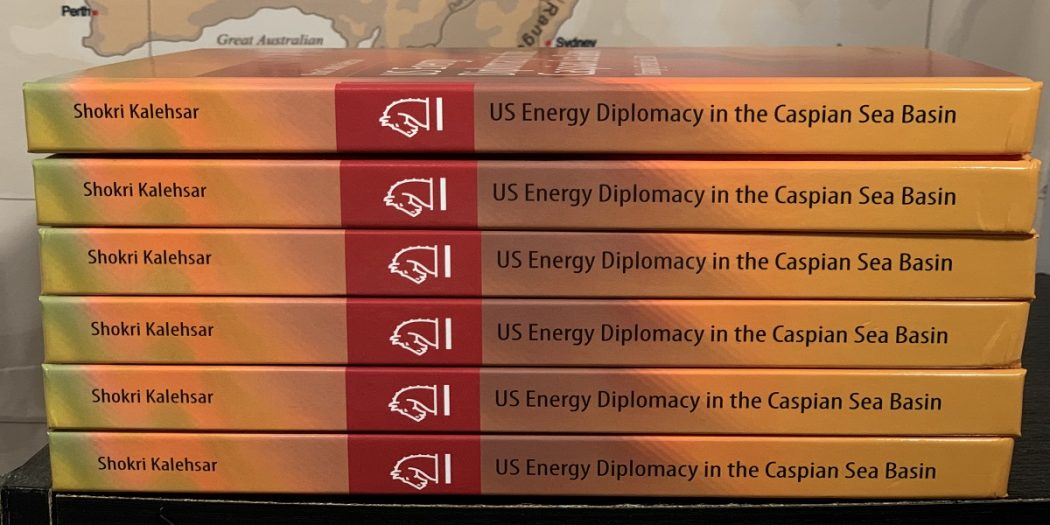
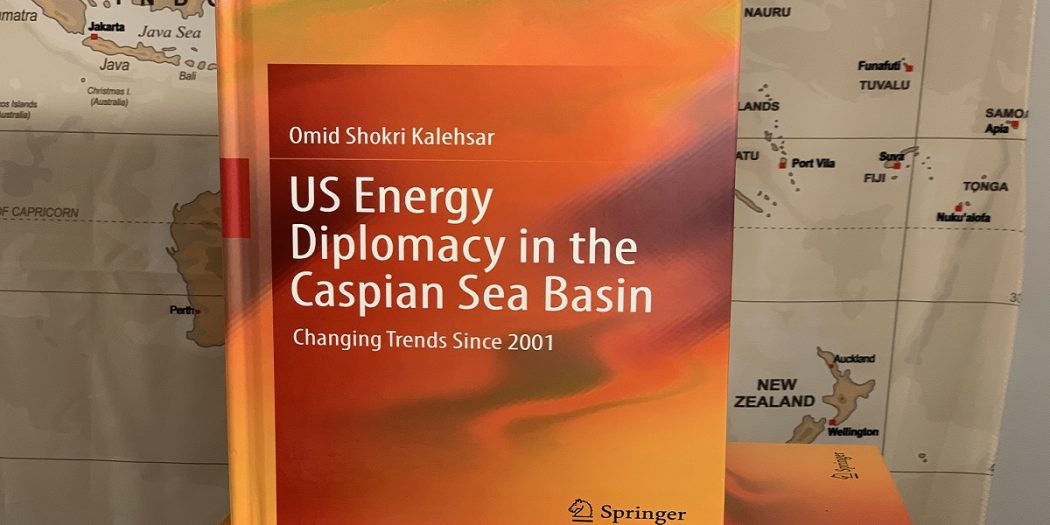
    US Energy Diplomacy in the Caspian Sea Basin: Changing Trends Since2001 - Available on Springer

  • My New Book

    US Energy Diplomacy in the Caspian Sea Basin: Changing Trends Since2001 - Available on Amazon

Recent Articles

Iran’s Gas Wealth and the Limits of Export Capacity
A natural gas drilling rig with the flag of Iran in the background.Shutterstock

The Gap Between Potential and Performance Does Not Stem from Sanctions Alone Iran sits atop one of the world’s largest proven natural gas reserves, estimated at roughly 1,200 trillion cubic feet, second only to Russia. On paper, this should make Iran a major energy exporter and a consequential player in regional gas …

Read More »

Why ‘Maximum Pressure’ Hasn’t Crippled Iran’s Oil Sector

Despite aggressive sanctions expansion since 2018, Iran’s crude production has stabilized in 2026.Shutterstock

Iran’s Sanctions-Evasion Infrastructure Has Become Systematic Rather than Improvised In early February 2025, President Donald Trump issued National Security Presidential Memorandum 2 (NSPM-2), formally reinstating his “maximum pressure” campaign against Iran. The directive sought to deny Tehran any path to nuclear weapons, constrain its ballistic missile program, and dismantle support for regional proxies by …

Read More »

Why Iran’s Oil Workers Have Not Struck

A Fragmented Labor Force, Strict Security, and Other Factors Constrain Workers from Mobilizing, Not Apathy or Ignorance Iran’s latest wave of unrest has revived the expectation that sustained protests eventually will reach the oil sector and choke off the regime’s primary revenue stream. That escalation has not occurred. The absence …

Read More »

How Iran Augmented Its Internet Shutdown Strategy in 2026

Unlike in the Past, This Time the Regime Did Not Sever Access but Instead Degraded Internet Function The Islamic Republic of Iran’s internet blackout against the backdrop of the January 2026 protests is fundamentally different from the shutdowns Tehran imposed during earlier rounds of protests in 2019 or 2022. Unlike in the …

Read More »

Syria’s Energy Sector Faces Structural, Not Symbolic, Barriers

Syria Holds an Estimated 2.5 Billion Barrels of Oil and 8.5 Trillion Cubic Feet of Gas but Reserves Do Not Guarantee Recovery Syria’s oil and gas sector once anchored state revenues and energy security. Before 2011, the country produced roughly 380,000 barrels per day of oil and about 25 million …

Read More »

Iran’s Desalination Pipeline Is More Stopgap Than Solution

The project fits a long-standing pattern in Iran of improvisation rather than reform On December 6, Iran’s President Masoud Pezeshkian unveiled the country’s latest attempt to mitigate chronic water shortages: an 800-kilometer pipeline carrying desalinated water from the Gulf of Oman to drought-stricken Isfahan. The two-year, 350 trillion rial (about $300 million) …

Read More »

The Year in Review: Energy in the Middle East

Across the Region, Electricity Demand Surged with Extreme Heat, Population Growth, Desalination Needs, and Industrial Expansion In 2025, the Middle East’s energy sector held firm amid cooling global markets, geopolitical friction, and an uneven global energy transition. The region continued to underpin global supply, producing roughly 30 percent of global oil and …

Read More »

What Turkey’s Moves in Pakistan Reveal About Regional Strategy

With Energy Diplomacy, Ankara Strengthens a Partnership That Stretches Across Military, Cultural, and Now Economic Dimensions On December 2, 2025, Turkey signed hydrocarbon exploration agreements through its state-owned Turkish Petroleum Corporation (TPAO) with six Pakistani energy firms. The announcement came with almost no political theater, but the implications run deeper …

Read More »

The Lukoil-West Qurna-2 Case Exposes Iraq’s Strategic Vulnerabilities

The Project That Once Balanced Russian Expertise with Iraqi Sovereignty Now Exposes the Fragility of This Set-up Western sanctions have reshaped Iraq’s oil sector. In October 2025, the United States and United Kingdom targeted Lukoil and Rosneft’s overseas operations to curtail Moscow’s war financing. Lukoil promptly declared force majeure at West Qurna-2, which …

Read More »

Caspian Sea Decline Harms Iran and Raises Regional Tensions

The Caspian coast of Iran is at a turning point, where environmental deterioration, economic losses, and geopolitical tensions collide Climate change, increased evaporation, and decreased inflows from feeder rivers like the Volga are contributing to a dramatic and rapid drop in water levels in the Caspian Sea, the world’s largest inland …

Read More »