October 5, 2026
ARTICLES, Energy Market, Featured, important
Iran’s oil minister Mohsen Paknejad resigned Sunday, leaving acting minister Hamid Bovard with crude exports choked by a US blockade and scrutiny of intermediaries used to sell sanctioned oil, raising questions over what he can change. President Masoud Pezeshkian accepted Paknejad’s resignation on October 4 and appointed Bovard, chief executive …
Read More »
October 4, 2026
ARTICLES, Energy Market, Featured, important
With war disrupting Iran’s southern trade routes, Tehran is looking north to the Caspian for alternatives. But the available evidence suggests they cannot replace its crucial oil exports. More cargo moving across the Caspian could help Iran keep supplies coming in. But rising freight totals do not show whether Tehran …
Read More »
September 18, 2026
ARTICLES, Energy Market, Featured, important
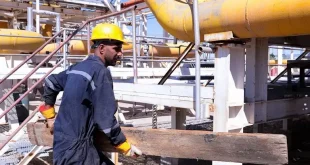
Iran is racing to restore gas infrastructure before winter after losing about a third of its pre-war production capacity, a reconstruction challenge that could force Tehran into difficult choices between keeping homes warm, power plants running and industry supplied. Iranian officials say attacks have knocked out about 230 million cubic …
Read More »
September 14, 2026
Energy Market, important, INTERVIEWS, Media
Iran is shifting trade toward northern ports and land routes as its southern shipping faces a US blockade. Analysts say the corridors can keep essential goods moving, but cannot replace maritime trade. Can land corridors offset the impact of the maritime blockade on Iran? The US-led maritime blockade targeting Iranian ports …
Read More »
September 13, 2026
ARTICLES, Energy Market, important
Oil markets are behaving as if the region’s supply problems will soon resolve themselves. That confidence is becoming increasingly difficult to justify.By mid-September 2026, futures prices had repeatedly eased or paused on the basis of limited diplomatic signals, even as three major vulnerabilities were developing at the same time: Iran’s …
Read More »
September 7, 2026
ARTICLES, Energy Market, important
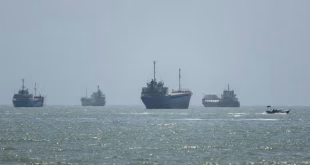
US attacks on Iranian oil tankers could make it far harder and more expensive for Tehran to keep selling its crude, but the strategy carries a potentially much larger cost: turning the Persian Gulf’s energy infrastructure into an expanding battlefield. The latest US strikes on three Iranian oil tankers mark …
Read More »
August 30, 2026
ARTICLES, Energy Market, important
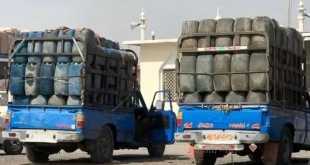
Iran’s large-scale fuel losses appear to go beyond the smuggling cited by officials in Tehran, with evidence pointing to organized diversion within the country’s fuel distribution system. Iranian officials repeatedly say around 20 million liters of fuel are smuggled out of the country every day, costing Iran between $4 billion …
Read More »
August 27, 2026
important, INTERVIEWS, Media
With President Donald Trump threatening to launch an “economic D-Day” against Iran, one of the Islamic Republic’s most important wartime lifelines is its geography. And while the resumption of a U.S. naval blockade last month has substantially limited Iran’s maritime trade, land routes are becoming an increasingly vital source of commerce. Located at …
Read More »
August 26, 2026
ARTICLES, Energy Market, important
The 2025-2026 Iran-Israel-U.S. conflict marked a turning point in global energy politics. Direct attacks on Iranian energy infrastructure, such as South Pars and the Kharg Island export terminal, along with Iranian threats to disrupt the Strait of Hormuz, revealed the weakness of maritime chokepoints. About 20% of the world’s seaborne …
Read More »
August 26, 2026
ARTICLES, Energy Market, Featured, important
Enforcement Will Test Abu Dhabi’s Appetite to Absorb Domestic Costs While Pressuring Tehran On August 19, 2026, the United Arab Emirates announced it had stopped “all trade, commercial exchanges and financial transactions” with Iran “until further notice.” But the Foreign Ministry did not cite a new statute, cabinet resolution, sanctions list or …
Read More »