The attacks on Iran’s infrastructure came on the sixth consecutive day of U.S. strikes. A retaliatory attack by Iran caused damage to a power and desalination plant in Kuwait.
By Rachel Chason, Mohamad El Chamaa and Suzan Haidamous
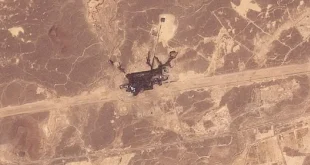
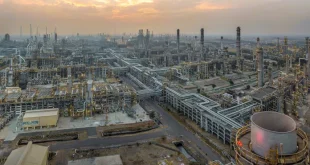
The U.S. military struck bridges, energy infrastructure and a port facility in southern Iran overnight Friday, Iranian state media said, while Kuwaiti authorities said that Iranian attacks hit a power and desalination plant.
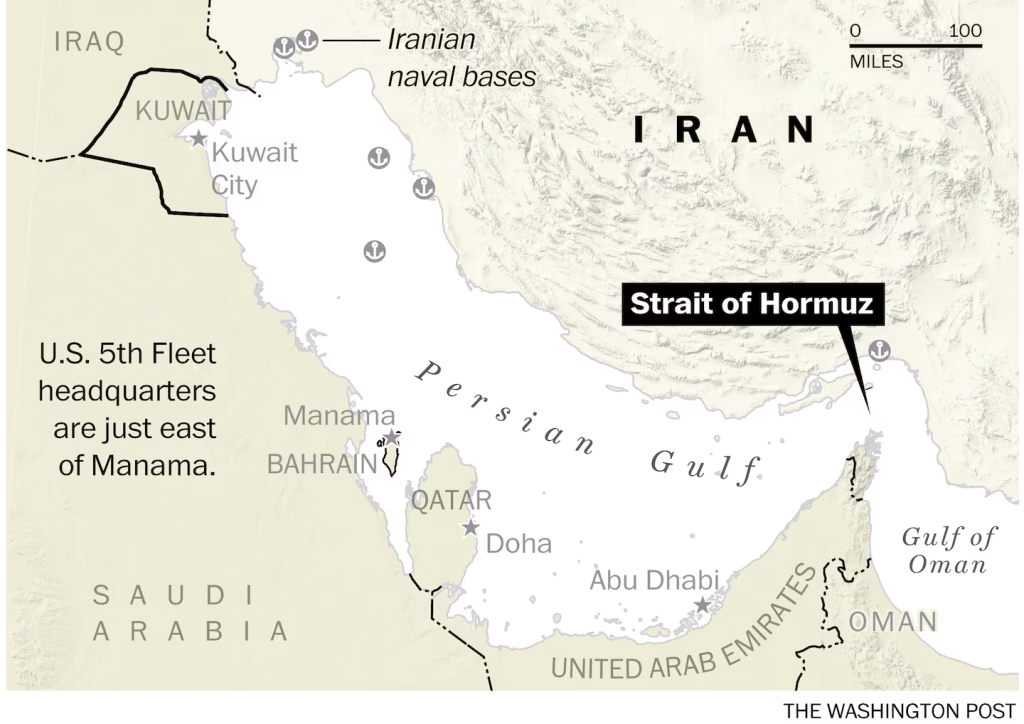
The attacks followed days of warnings by President Donald Trump and Iranian officials, who have since last week brought the region back to the precipice of all-out war, following a failed memorandum of understanding for a peace agreement that they signed last month. At issue remains control of the Strait of Hormuz, the narrow waterway that is vital to global shipping, and where traffic has since last week once again slowed to a trickle.
The strikes continue to follow a “tit-for-tat” pattern, with attacks on infrastructure representing an escalation but not a return to “full-scale war,” said Dania Thafer, executive director of Gulf International Forum, a Washington think tank.
“From the Iranian side, they are creating a high degree of fear in Gulf states,” she said. “They want to send the message that U.S. escalation is dangerous for Gulf states, so they should tell their ally to stop the attacks.”
U.S. Central Command said that it had completed its “latest major wave of strikes” overnight in Iran — marking the sixth consecutive night of attacks. The hits targeted “dozens of Iranian military targets such as coastal surveillance and air defense sites, military logistics infrastructure, and maritime capabilities,” Centcom said in a post on X.
The strikes appeared to have expanded in their scope, following days of threats from both sides, with Iranian state media saying that bridges in the southern Hormozgan province had been struck and “power infrastructure” attacked, according to the Energy Ministry.
Since “the restart of the war,” 38 people have been killed in Iran, the country’s deputy minister of health, Ali Jafarian, told The Washington Post. He did not distinguish between civilians and combatants. The figure could not be verified independently.Ask The Post AIDive deeper
Infrastructure has become “the new center of gravity,” with the U.S. widening its attacks from military command centers to infrastructure that often serves both civilian and military purposes, including railways, airports, and power and port facilities in southern Iran, said Umud Shokri, an energy strategist and senior visiting fellow at George Mason University.
Shokri said that U.S. attacks on Iranian energy sites and bridges “represent a major escalation” but added that Washington “has not yet launched a systemic campaign to destroy Iran’s entire energy sector.”
The Iranian attack on Kuwait’s power and desalination infrastructure, meanwhile, “crosses a particularly dangerous threshold because it threatens a basic civilian necessity rather than only military capability,” he said, noting that Kuwait obtains around 90 percent of its drinking water from desalination.
“For Kuwait, it’s horrible,” said Toby Matthiesen, a professor and Gulf expert at the University of Bristol, noting that the country is experiencing a heat wave and adding that it appears the U.S. is failing to take into consideration security needs in the Gulf as it makes decisions on the war.
“It just exposes, again, the vulnerability of the smaller Gulf states and their water infrastructure,” Matthiesen said.
He said that it is countries like Kuwait that are stuck in the middle and have to pay for the collapse of the ceasefire, and that the attacks on Kuwait represent the limits of the “American security umbrella.”
“On the one hand, the U.S. is providing security, but on the other hand, it is also making Gulf countries targets,” he said, adding that Gulf nations will have to diversify their partnerships moving forward.
Kuwait’s Ministry of Foreign Affairs condemned what it called “heinous Iranian aggression” in a statement on Friday, saying that the attack represented a “grave breach of international law.”Ask The Post AIDive deeper
Kuwait’sMinistry of Electricity, Water and Renewable Energy said that the fire caused damage to the plant’s facility, including several generators, but that the fire was under control. Iturged residents to conserve electricity and said it would be monitoring the situation.
In Qatar, Iran’s Islamic Revolutionary Guard Corps said that it had launched a surprise attack on the American al-Udeid Air Base and “completely destroyed a long-range radar system” and U.S. aircraft. Centcom had not commented on the strike as of Friday morning and did not immediately respond to a request for comment.
Qatari officials did not comment on the specifics of the strike but said in a statement that a child had been injured due to falling shrapnel that resulted from intercepting Iranian attacks.
As it has ramped up attacks, the U.S. has said that it is intending to degrade Iran’s military capability to control the Strait of Hormuz. But analysts say that both sides are stuck, with control of the strait remaining a sticking point on which neither wants to bend and a pathway back to peace difficult to envision.
On Thursday, just eight ships transited the strait, according to the maritime data company Kpler — compared with more than 130 daily before the war started.
Thafer, who is based between Washington and Qatar, noted that Iranian officials had paid their respects at the funeral of Qatar’s former leader, Sheikh Hamad bin Khalifa Al Thani, and avoided striking Qatar during the mourning period.
But in the early hours of Friday, after that period ended, Iran started firing at Qatar, which has served as a mediator.
“Iran sees the power dynamics in its favor — that they can pat the back of Gulf states and bomb them at the same time,” she said. “And the Gulf states don’t know what the U.S. and Israel are going to do next and fear they are going to be the ones left holding the bag.”