Iran may be able to repair much of its war-damaged energy infrastructure without new Western technology. Whether it can rebuild a modern, reliable energy industry is another question.
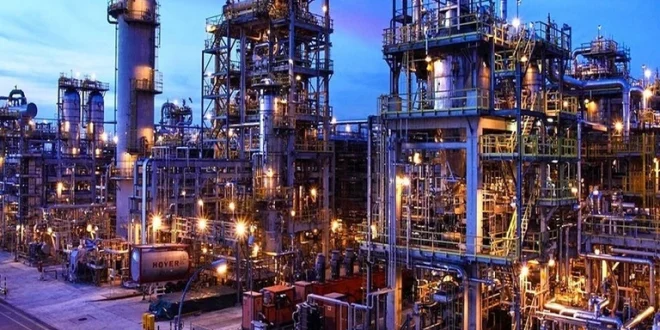
Successive rounds of US and Israeli strikes have damaged oil storage facilities, gas-processing plants and petrochemical infrastructure.
Iranian engineers, supported by suppliers from China and Russia, may be able to restore substantial capacity.
But sanctions, limited investment, ageing equipment and the threat of further attacks complicate the prospects for lasting recovery.
Satellite analysis by the Conflict and Environment Observatory (CEOBS) following the June 14, 2025 attacks confirmed the destruction of four storage tanks at Tehran’s Shahran depot.
The same analysis documented damage at South Pars Phase 14, where Iranian state media reported a temporary halt to 12 million cubic metres of daily gas production.
Further attacks in March 2026 damaged oil storage facilities at Shahran, Aqdasieh and Karaj, as well as the Tehran refinery site, according to CEOBS.
The International Energy Agency also identified damage to South Pars gas-processing facilities following strikes on Asaluyeh.
Petrochemical infrastructure suffered additional damage. Industry publication ICIS reported that April 4 strikes hit the Fajr 1 and Fajr 2 utility plants in Mahshahr, while the Bandar Imam complex sustained partial damage.
The Fajr facilities supply essential utilities to other industrial plants, meaning damage to them can disrupt production well beyond the immediate impact sites.
Challenges ahead
Some recovery has already been reported. On September 23, Reuters cited an Iranian official as saying that half the damaged South Pars capacity had been restored, although independent verification remained limited.
Iran has considerable domestic engineering expertise. Local contractors have continued developing oil and gas fields despite sanctions, while engineers at MAPNA have reported successful tests of upgraded heavy-duty turbines.
But repairing the physical damage caused by war is only one of the challenges facing an industry already struggling with years of underinvestment and restrictions on access to specialised technology.
As gas reservoirs mature, declining pressure can reduce production unless additional compression equipment is installed. Maintaining output therefore requires investment even at facilities that have escaped military attacks.
The problem is particularly acute at South Pars, the vast gas field shared with Qatar.
According to the US Energy Information Administration (EIA), the withdrawal of foreign partners disrupted plans for offshore compression at South Pars Phase 11.
The gap is even more pronounced in liquefied natural gas (LNG).
Iran has long sought to develop LNG exports, but sanctions-related technology restrictions have helped stall those ambitions, according to the EIA.
Restoring damaged gas-processing equipment could help recover domestic supplies. It would not, however, create a competitive LNG export industry, which requires specialised liquefaction technology, financing, shipping arrangements and long-term customers.
Moscow and Beijing to the rescue?
China and Russia offer potential alternatives to Western suppliers, but neither can be assumed to finance or rebuild Iran’s energy industry on the scale required.
China is a major buyer of Iranian oil and could provide equipment, engineering services and project financing. Yet purchasing discounted crude does not necessarily translate into a willingness to undertake expensive, long-term infrastructure projects.
The EIA has documented the withdrawal of China’s CNPC from South Pars Phase 11 after US sanctions were reimposed. Chinese companies considering new projects must still assess payment security, access to equipment and the returns available from investments elsewhere.
Russian assistance faces similar constraints.
A $40 billion memorandum of understanding signed between Gazprom and the National Iranian Oil Company in 2022 raised expectations of extensive Russian involvement. But the Congressional Research Service has questioned Russia’s financial resources and commercial interest in expanding Iranian gas exports.
Reconstruction depends not on the value of memoranda but on financing secured, equipment delivered and facilities brought back into operation.
Damage, repair, repeat
Sanctions and restrictions on international payments limit Iran’s access to foreign capital and imported equipment, while disruptions to oil exports further constrain the revenues available for reconstruction.
Even where Iran has the money and technical capacity to rebuild, the possibility of renewed military attacks creates another obstacle.
Although President Donald Trump has expressed skepticism about renewed strikes, US and Israeli planners have reportedly considered further attacks on Iranian petrochemical facilities.
The possibility of renewed strikes complicates long-term reconstruction. Companies may be reluctant to finance projects, supply specialised equipment or deploy personnel to facilities that could be attacked again.
This makes reconstruction priorities particularly important. Restoring gas treatment facilities and shared industrial utilities may bring multiple downstream operations back online, while repairing an isolated export facility may offer limited benefits if its supply connections remain disrupted.
Recovery timelines will also vary considerably. Some damaged units could restart within weeks or months if equipment is available, while major replacements and technological upgrades may take years.
Iran’s engineers and its Chinese and Russian partners may be able to restore much of the damaged infrastructure.
But without sustained investment, specialised technology and protection against further attacks, Tehran risks becoming trapped in a cycle of destruction and repair rather than achieving lasting recovery.